Fastco Fundamentals: Choosing The Right Coating
The longevity of a component is rarely determined by the strength of its core material alone, but by the layer of protection applied to its surface. Selecting the appropriate material finish is a calculated science that balances between corrosion resistance, dimensional tolerance, and weldability. The following short list of coatings come straight from Fastco manufactured parts and will explore the technical specifications of each critical coating system, illustrating how specialized treatments like Zinc-Nickel, Magni 565, and others transform standard hardware into high performance assets.
1. Zinc & Clear Trivalent Chromate
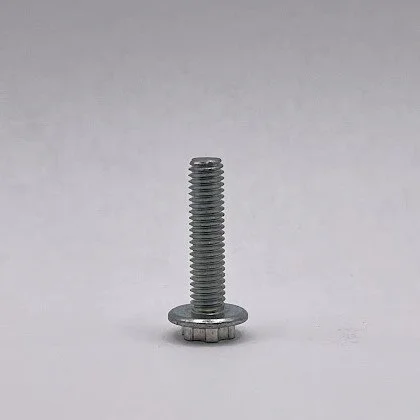
Leading off this plating showcase is the workhorse of the industry. Fastco has over 80 unique parts that utilize this coating. The specific part that we will look at is Fastco's M6 bolt made from 1045 material. Before the zinc is even applied, the part undergoes a neutral harden process and pre-plate preparation of Pickle/Dephos wash to ensure tensile strength and that the plating adheres perfectly to such a high strength part. An 8.0 μm Zinc layer is then applied and provides the sacrificial barrier, while the Clear Trivalent Chromate passivate ensures the part survives 240 hours of salt spray.
This works due to the coating being thick enough to protect the high strength core from environmental stress, but precise enough to maintain high tolerances required for an M6 bolt.
2. Zinc-Nickel & Clear Trivalent
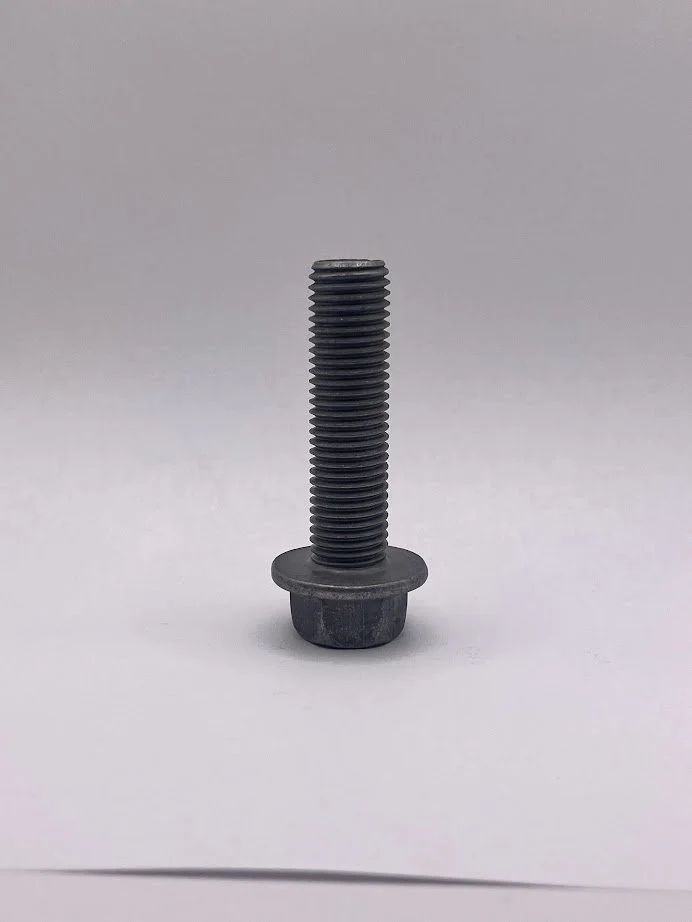
Hex Head Bolt w/ Zinc-Nickel & Clear Trivalent Plating
When standard zinc hits its limits, Zinc-Nickel takes over. This hex head bolt is engineered for maximum endurance in high corrosive environments and by incorporating 12-15% nickel, the coating becomes much harder and more heat-resistant. Like the M6 bolt, this part also undergoes neutral hardening prior to plating to ensure tensile strength. A 8.0 μm Zinc-Nickel plating provides a harder, more heat-resistant foundation than pure zinc. This alloy is specifically chosen for parts that must endure high thermal stress without losing their sacrificial properties. Following this plating, the part is treated with an organo-mineral sealer that fills any microscopic pores in the finish and gets topped off with a 4 hour bake, which is critical in stabilizing the coating and ensuring maximum adhesion and chemical resistance.
This system is the ultimate "shield" for heavy-duty fasteners. It provides nearly four times the longevity of standard plating, ensuring that even after years of exposure to road salt and moisture, the hex head remains structurally sound and removable.
3. Pickle and Seal
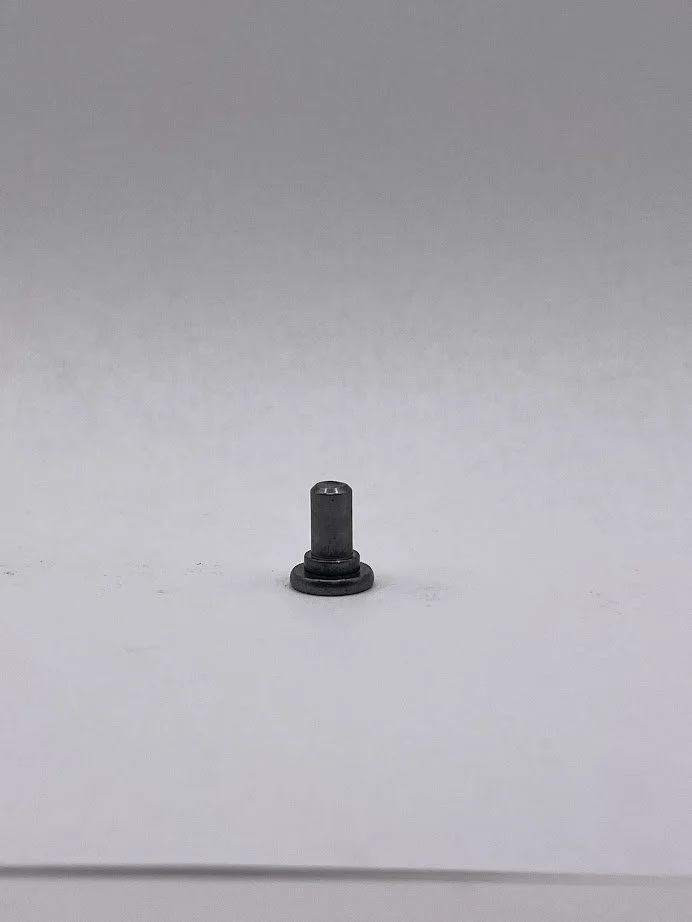
Rivet w/ Pickle and Seal Plating
While many fasteners rely on heavy plating for protection, this rivet utilizes a pickle and seal process to maintain its specific mechanical advantages during installation. "Pickling" is a metal-cleaning process that uses acid (usually hydrochloric or sulfuric) to remove surface impurities, scales, and oxidation from hot-rolled steel. Prior to any surface treatment, the rivets undergo a stress relieve cycle for a minimum. This thermal processing is vital for removing internal residual stresses created during the cold-heading process. By stabilizing the grain structure of the metal, it ensures the rivet will expand and set uniformly without cracking or failing prematurely.
After the stress relief, the acid pickle strips away mill scale and carbon buildup, leaving "raw" metal that allows the weld to "bite" directly into the part ensuring the metal is chemically clean, providing a consistent surface for the final stage. The seal portion is a light, temporary rust preventative that protects the bolt during shipping, but evaporates during the welding process, ensuring a clean, porous-free join. This way the rivet remains easy to handle and ready for high speed automated installation.
4. Magni 565
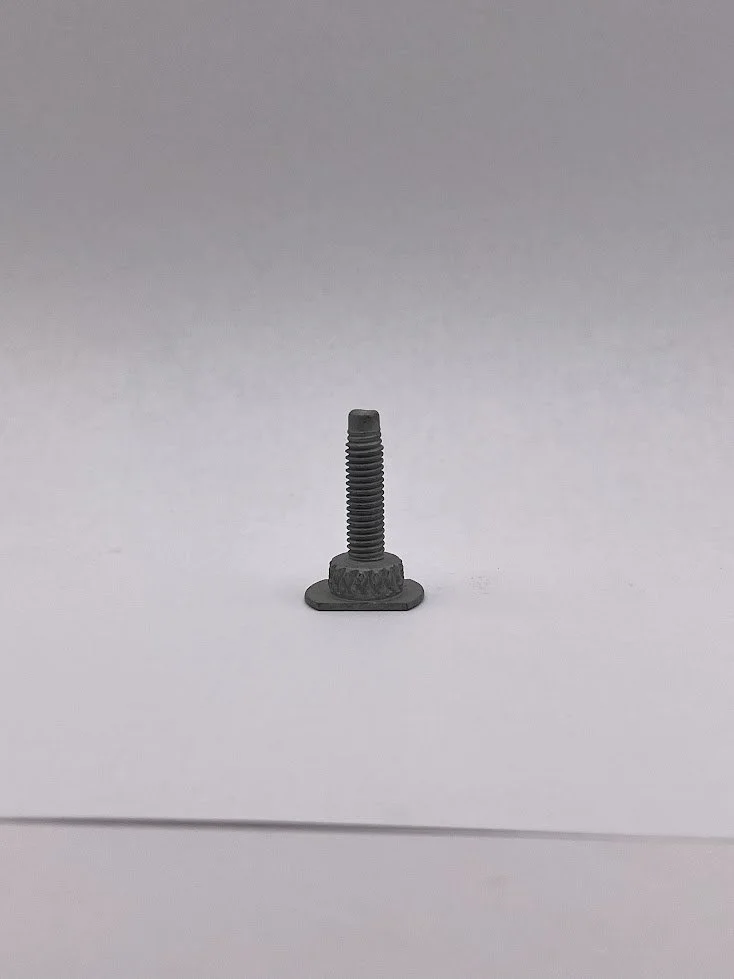
T Stud w/ Magni 565 Plating
The T-stud is a high-strength component designed to handle significant mechanical loads, while resisting the most aggressive environmental conditions. Before coating, the stud undergoes a neutral harden process to reach a specific hardness. This ensures the part has the structural integrity to serve as a critical mounting point without deforming under pressure. Then it undergoes a dephos wash to remove phosphates so that the surface is chemically "pure," preventing any hydrogen embrittlement risks or adhesion failures that can occur when coating high-strength, heat-treated steel. Magni 565 is a high-performance, duplex coating system. It typically consists of a zinc-rich inorganic basecoat and an aluminum-rich organic topcoat. If the surface is scratched, the zinc basecoat still protects the steel, while the aluminum topcoat provides incredible resistance to chemicals and fuels.
The shown T-stud often acts as a mounting point for other components, meaning it is subject to high vibration and potential chemical exposure. This coating is "friction-modified," meaning it helps the stud maintain its torque tension during assembly.
5. Black Oxide
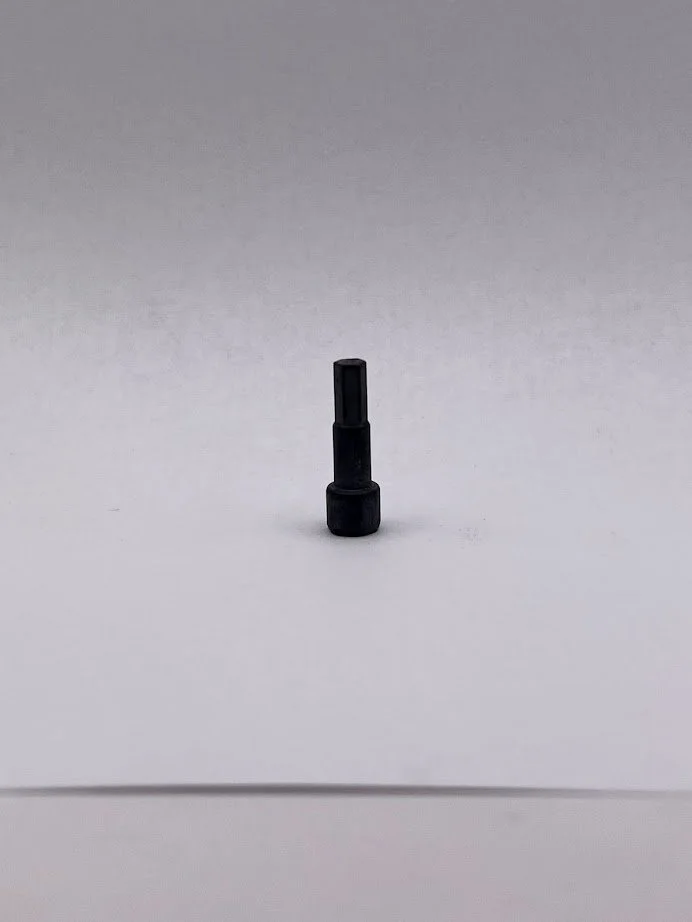
Hex Drive Pin w/ Black Oxide Plating
Above is one of our hex drive ejector pins engineered specifically to withstand millions of cycles without seizing or losing its dimensional integrity. This pin is neutral hardened prior to plating to a level that provides the "spring" and durability needed to resist bending or snapping under the high pressure, while still being ductile enough to absorb mechanical shock. Unlike traditional plating, Black Oxide is a conversion coating that penetrates the metal surface rather than sitting on top of it. This ensures the part maintains its exact dimensions critical for a pin that must slide through a precision-fit hole with zero tolerance for buildup.
By combining a hardened core with a high-lubricity, zero-growth surface, this hex drive pin can move consistently and smoothly throughout its entire service life, protecting both the pin and the expensive tooling it operates within.
Engineering Beyond the Surface
In modern manufacturing, a fastener is only as reliable as the chemistry protecting it. As we have seen, the choice between a Zinc-Nickel alloy for long-term weather resistance and a Black Oxide conversion for dimensional precision is rarely a matter of preference, but a matter of engineering necessity. Whether it’s ensuring a weld bolt remains clean for assembly or guaranteeing a rivet stays "dry to the touch" for automated installation, Fastco can provide parts with coating systems that ensure industrial longevity. When failure isn't an option, the science of the finish is just as critical as the strength of the steel.
Contact Fastco Industries today if you have more questions about what coating you are needing for your cold-headed fastener needs!